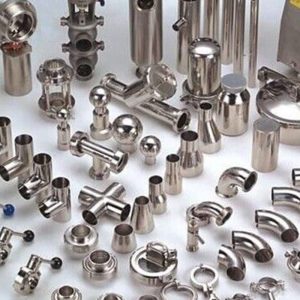
Material of Construction (contact parts): SS 304 or SS 316L for all product-contact surfaces (e.g., trough, ribbons) to meet hygiene, corrosion resistance, and cleaning requirements.
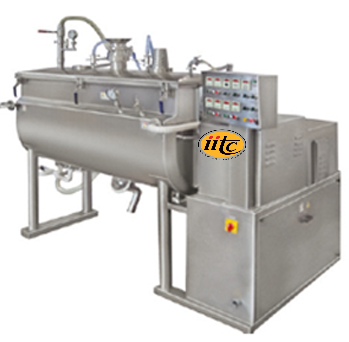
Trough shape and agitator design: Horizontal U-shaped trough with a double helical ribbon agitator (inner ribbon moves material one way, outer ribbon the opposite) for thorough mixing.
Capacity / Batch size: Working volumes range from small pilot (~50 L) up to several thousand liters (e.g., 5,000 L+) depending on scale. Example: 200 L working volume handles ~100 kg per batch at bulk density ~0.6 g/cc.
Mixing speed / motor power: Typical mixing speeds ~20-60 RPM (for U-shape ribbon mixers) and motor power scaled to size (for example 3 HP for ~250 L size) as well as using gearbox/gear‐drive for low speed, high torque.
Discharge mechanism: Bottom or center discharge valve (butterfly valve, knife gate, sliding flap) for complete emptying, minimal dead zone, easy cleaning and GMP compliance.
Finish and clean ability: Internal surfaces mirror polished, wall clearances maintained (typically 5-7 mm clearance between ribbon tip and trough wall), quick open lids, inspection hatches.
Optional / auxiliary features: Jacketed trough for heating/cooling, VFD (variable frequency drive) for speed control, spray nozzles for liquid addition, vacuum or inert gas capability, full GMP/cGMP compliance.
Electrical & drive specs: Typically, 3-phase power supply (e.g., 415 V, 50 Hz), gear box reduction drive, safety overload protection, control panel with timer, emergency stop, etc.
Batch mixing time & homogeneity: For well-designed ribbon mixers, mixing time ~10-30 minutes with homogeneity of ~90-95% or better.
Installation & layout requirements: Clear bottom clearance for discharge, support frame, appropriate dimensions to accommodate loading/unloading, GMP‐friendly layout, sometimes a footprint with height/width specified.
Customized sizes available as per customer specifications